The Project
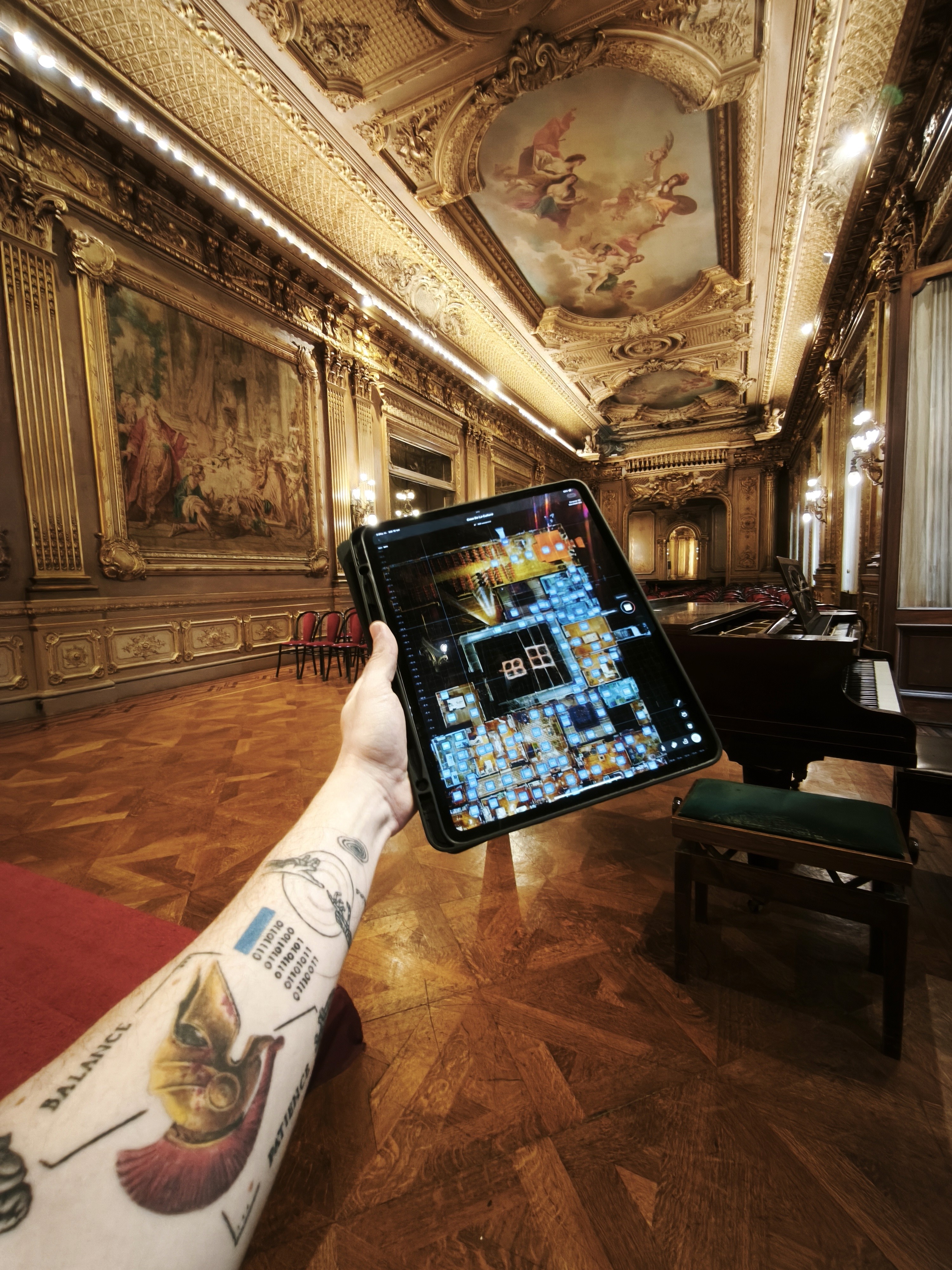
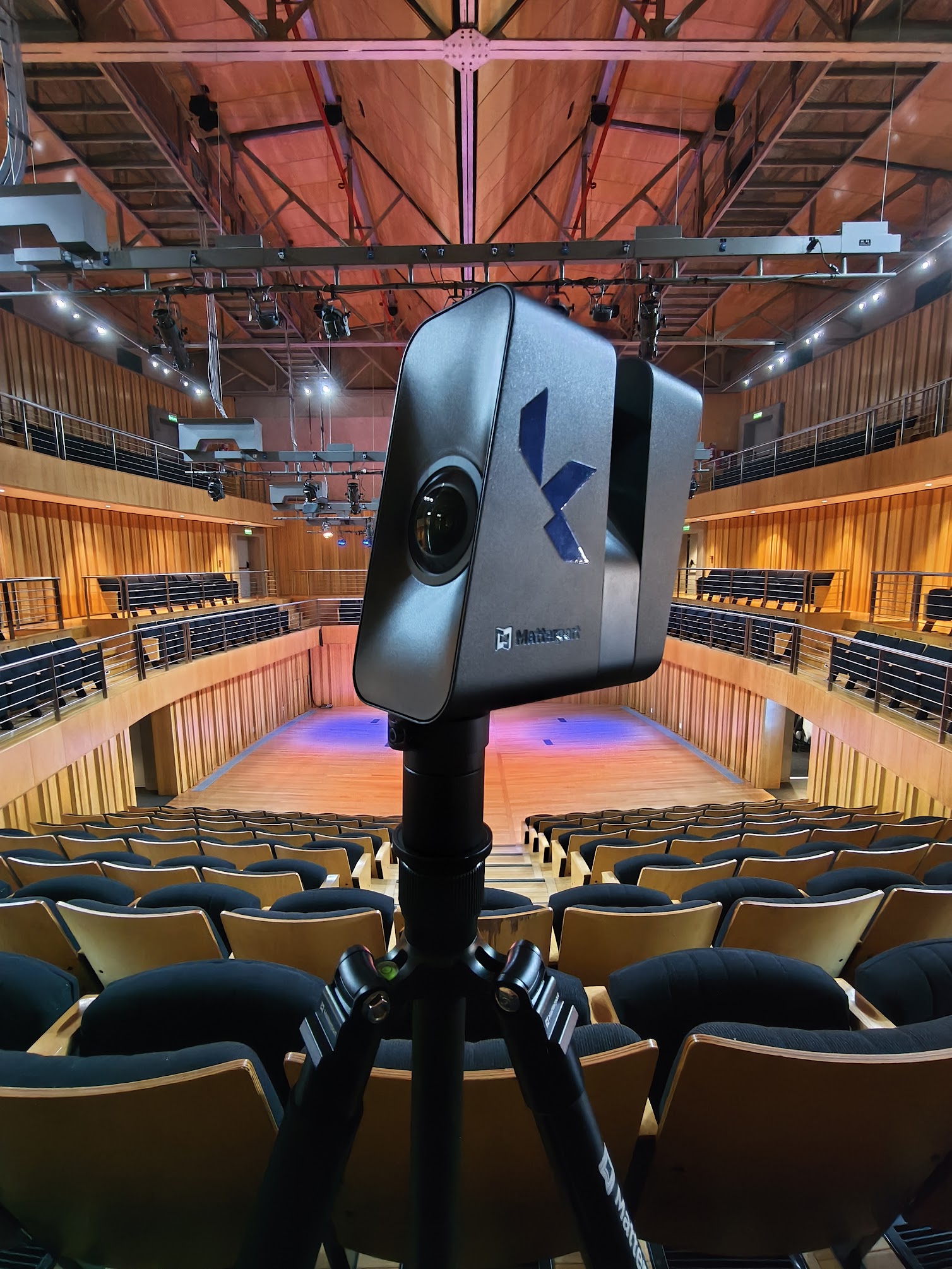
Buenos Aires has a huge cultural life. Museums, theaters, cultural centers, libraries, cinemas, historical buildings… but you can't always be there in person when you want.
This project was created to narrow that distance: to digitize cultural spaces in 3D in the city and make them accessible to everyone, from a mobile phone or a computer.
What is it for?
One project, multiple uses: general public, education, institutions, and urban management.
People (visitors and residents)
Visit museums and theaters in 3D, discover new spaces, plan your visit or relive the experience. No apps or registration required.
Schools, teachers, and students
Locate rooms, exhibits, and pathways. Discuss architecture, history, and art with clear and accessible audioguides and visual support.
Cultural institutions
The 3D model is a calling card and support: it leaves a record of the state of the space and improves communication with audiences.
The City in the long term
Each scan adds to the digital record of the City. It serves to compare, plan, and care for spaces that change over time.
BIM: the technical layer of heritage
In addition to the virtual tours, we model some key spaces in 3D
BIM is much more than “a 3D plan”: it is a digital model where each wall, roof, structure, installation, and material is defined with precise information. Based on that, past interventions, maintenance tasks, pathologies, accessibility, energy efficiency, and everything that contributes to the building's useful life can be recorded.
In the case of the cultural spaces of the City, BIM becomes a conservation tool. It allows us to understand how a theater, a museum, or a power plant is actually constructed, simulate works before carrying them out, coordinate teams of architecture, engineering, and heritage, and make decisions based on data instead of intuitions. Each adjustment, reinforcement, or restoration is documented in the model, helping to ensure that the technical memory of the building is not lost over time.
Thus, the BIM model functions as a “digital twin” of the physical space: a common base for managing, maintaining, and planning future interventions with better information, reducing risks, costs, and construction times, and better preserving the buildings that contribute to the identity of Buenos Aires.
What is coming
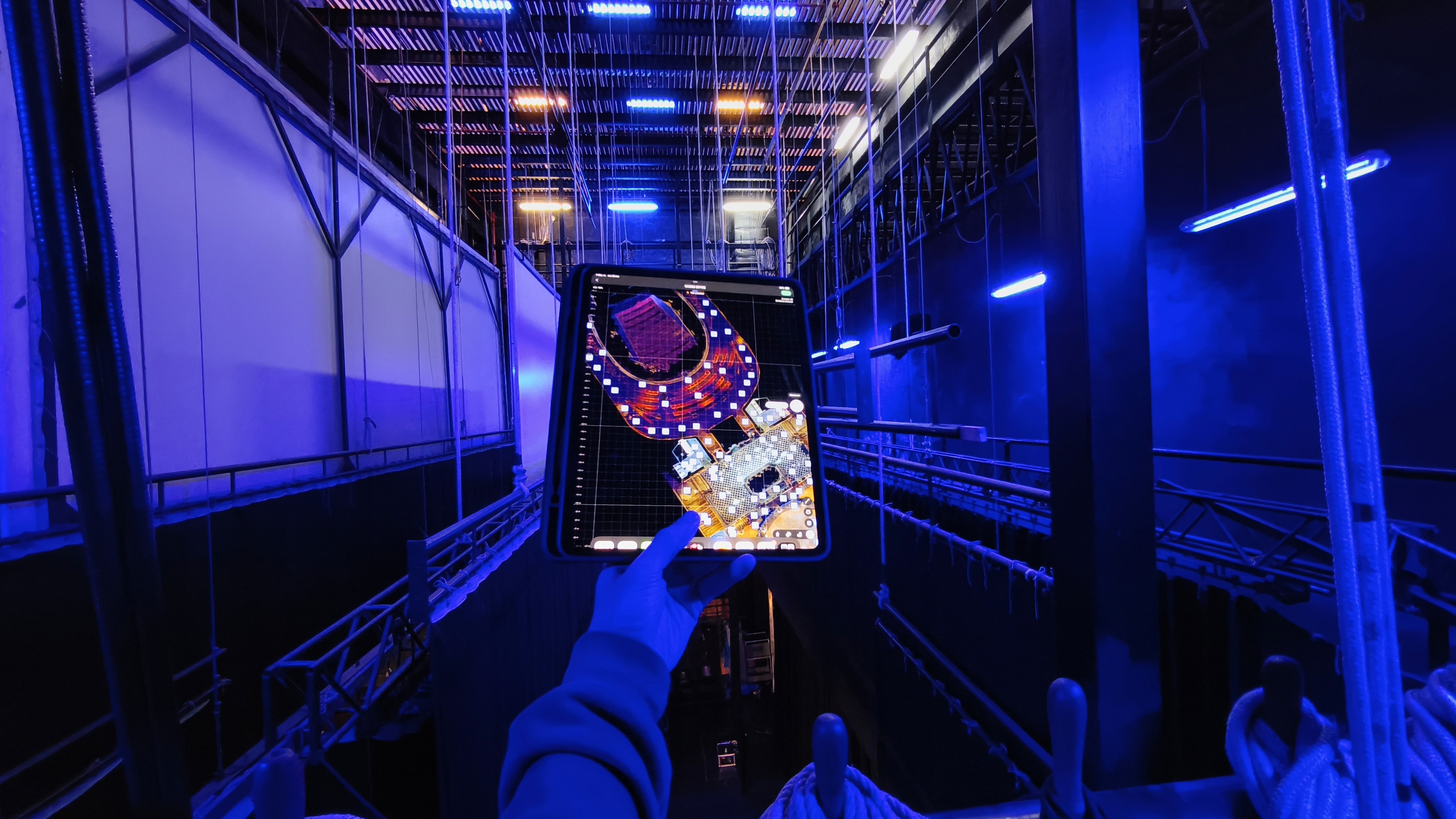
This map is not closed: the project is organized into 8 stages that will be developed and updated throughout all of 2026
Update the platform with the new 3D routes and their corresponding sheets.
Complete the eight stages to reach the set of more than one hundred cultural spaces planned.
Add more heritage spaces from different neighborhoods of the City.